Spooky Haunt: A Cute Halloween Display Font for Your Business
As a business owner, the details you choose—like your logo, colors, and even your font—tell a story about your brand. These choices shape how customers perceive you, from trustworthiness to professionalism. When you need a font that conveys charm, fun, and a touch of seasonal magic, a display typeface like Spooky Haunt can be a powerful creative asset.
What Makes Spooky Haunt a Unique Design Asset
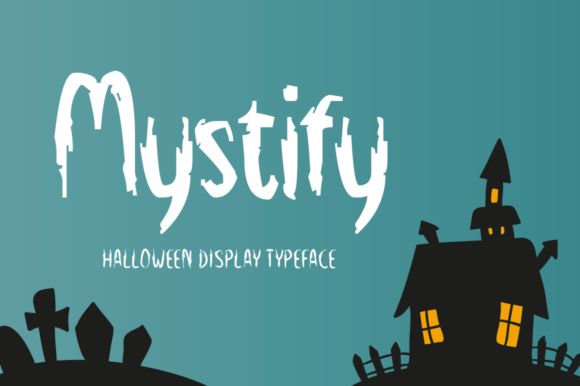
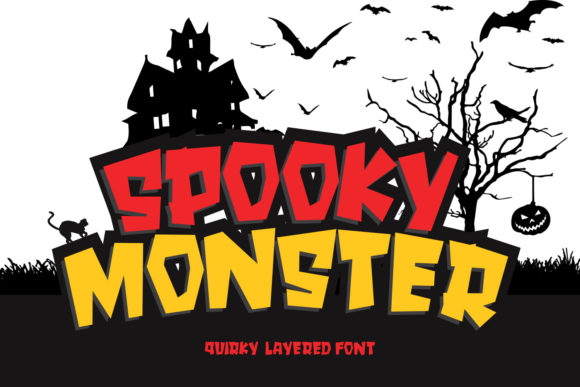
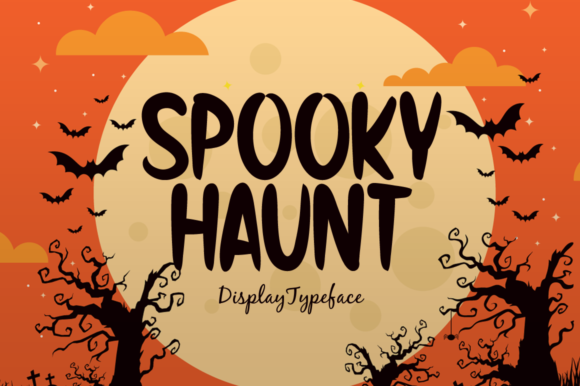
Spooky Haunt is a casual display font crafted with a distinct Halloween spirit. Its charm lies in its balance: it’s spooky without being scary, cute without being childish, and decorative while remaining legible. The typeface carries a playful personality and a whimsical mood, perfect for projects that aim to stand out visually. Its overall appeal is friendly and inviting, making it an excellent choice for businesses looking to connect with customers in a lighthearted, creative way.
This is not a font for long paragraphs of text. Its strength is in headlines, logos, and accents. As a premium display font, Spooky Haunt is designed to be the visual anchor of your design, drawing immediate attention and setting a specific tone.
Building Brand Consistency with a Distinctive Font
One of the biggest challenges for a small business is creating a cohesive look across all customer touchpoints. From your packaging to your Instagram posts, consistency builds recognition and trust. When customers see the same distinctive style on your product label and your website banner, it reinforces your brand identity.
Spooky Haunt can serve as that consistent, memorable element. Imagine a boutique selling handmade autumn wreaths. Using Spooky Haunt on their logo, woven into their product tags, and featured in their Pinterest graphics creates a unified aesthetic. A café introducing a seasonal October menu could use Spooky Haunt for the menu title and featured drink names, paired with a simpler font for descriptions. This consistent use makes the brand feel deliberate and professional, even when the font itself is fun and expressive.
Real-World Applications for Your Business Materials
Let’s explore where Spooky Haunt can practically enhance your materials:
- Logo & Brand Marks: For a seasonal business, a coaching service hosting Halloween workshops, or a beauty brand launching a pumpkin-spice collection, Spooky Haunt can form the basis of a memorable logo.
- Product Labels & Packaging: A maker of artisan candles or soaps could use Spooky Haunt for the product name on a jar label. A bakery’s special-edition cookie bag could feature the font prominently for the treat’s name.
- Print Materials: Business cards for an event planner specializing in fall parties, flyers for a local market, or thank-you cards sent after a purchase can all benefit from this font as a headline element.
- Digital Presence: Website banners announcing a sale, Instagram post graphics highlighting a new product, email headers for a newsletter, or digital ad creatives can use Spooky Haunt to capture attention quickly in a crowded space.
- Merchandise & Extras: Stickers included with orders, tote bag designs, or signage in a physical store are perfect places to apply this decorative typeface.
Practical Advice for Using a Display Font
To use Spooky Haunt effectively, treat it as an accent. It excels in larger sizes. For readability, especially on small labels or mobile screens, use it for short words or phrases—your business name, a product title, a key slogan. For longer text, like descriptions, policies, or body copy on your website, you will need a complementary, more readable font.
This leads to the important concept of font pairing. A successful brand identity often uses two or three fonts: one for display and one or two for readability. Spooky Haunt pairs beautifully with clean, neutral fonts. Consider a simple sans serif font for most of your text. This pairing creates a dynamic contrast: the decorative Spooky Haunt grabs interest, and the clean sans serif provides clear, easy-to-read information. Alternatively, a classic serif font could offer a more traditional, elegant balance to Spooky Haunt’s playfulness.
Testing and Licensing: Essential Steps Before Commitment
Before adopting any new font across your entire brand, test it. Create mock-ups of your key materials: a label, a social media graphic, a section of your website header. Look at them on different devices—a phone screen, a computer monitor—and if possible, print a sample. This ensures the font feels right and remains legible in all the contexts you’ll actually use it.
A crucial, often overlooked step is checking the font’s license. As a business owner, you must ensure you have the correct commercial license for your intended use. Can you use Spooky Haunt on physical products you sell? On your website for commercial purposes? In client work or digital templates you create? Always verify the licensing terms to avoid legal issues. Using a font properly licensed for commercial use protects your business and respects the creator’s work.
Aligning Your Font Choice with Your Target Customers
The fonts you choose send a subtle message to your audience. Using Spooky Haunt signals a brand that is creative, approachable, and engaged with a festive, community-oriented vibe. It aligns perfectly with customers looking for handmade, unique, or seasonal products and experiences.
For an online shop selling vintage Halloween decor, the font reinforces the product theme. For a family-friendly pumpkin patch farm, it communicates fun and safety. For a indie brand releasing a limited-edition autumn lip gloss, it makes the packaging feel special and collectible. The right font doesn’t just look good; it helps your brand resonate with the people most likely to love what you do.
In the end, your typography is a practical tool. A well-chosen display font like Spooky Haunt isn’t just a decorative item. It’s a design asset that, when used strategically, can elevate your brand’s consistency, make your materials more recognizable, and help you build a more trustworthy and professional presence in every interaction with your customers.